Customer Experience Expectations
Shoppers expect convenience, speed, personalization, and a consistent experience across every touchpoint.


We help retail and eCommerce businesses build scalable digital commerce experiences, modernize operations, improve customer journeys, and support long-term growth through connected platforms, mobile products, integrations, and ongoing optimization.

Retail businesses need seamless experiences across online and offline touchpoints. Customers expect product discovery, promotions, checkout, support, and post-purchase journeys to feel connected whether they are shopping on desktop, mobile, or through broader omnichannel experiences.
eCommerce brands also need strong platform performance, integrations, and customer-focused UX to support acquisition, conversion, repeat purchase, and campaign execution. The stack has to handle products, inventory, orders, pricing, promotions, and customer data without adding friction for internal teams.
That is why retail and eCommerce growth depends on more than just launching a storefront. It requires digital infrastructure that can support scale, merchandising agility, personalization, mobile convenience, and the operational systems behind the commerce experience.
Shoppers expect convenience, speed, personalization, and a consistent experience across every touchpoint.
Products, orders, inventory, promotions, and fulfillment all depend on better-connected digital systems.
Campaigns, seasonal peaks, and catalog growth require platforms that can scale without fragile workarounds.
Connected storefronts, mobile apps, marketplaces, and retail operations create stronger customer journeys.
Older platforms make it harder to launch faster storefront improvements, introduce new journeys, or modernize the underlying commerce stack.
Retail teams struggle when stock, orders, fulfillment, and customer updates are not clearly synchronized across systems.
Discovery, checkout, account, loyalty, and post-purchase experiences often feel disconnected across channels and devices.
Mobile users expect effortless browsing and checkout, but weak mobile UX quickly affects engagement and conversion.
Performance issues reduce campaign efficiency, hurt customer confidence, and make high-traffic trading periods harder to manage.
Commerce platforms lose value when ERP, CRM, PIM, shipping, analytics, and support systems do not share data cleanly.
Campaign launches, promotions, and catalog updates become slower when internal tools are hard to use or too dependent on manual processes.
As product ranges, teams, and channels expand, weak architecture and limited automation create delivery bottlenecks.
Support large catalogs, complex pricing, promotions, and deeper integrations with commerce experiences built for scale and flexibility.
Build and optimize storefronts that balance speed to market, conversion-focused UX, and the integrations needed for growing commerce operations.
Create flexible commerce experiences for content-rich brands that need cleaner merchandising, smoother checkout, and easier publishing control.
Design bespoke commerce experiences where standard platforms need stronger product logic, workflow support, or differentiated customer journeys.
Omnichannel commerce works when products, inventory, customer data, promotions, and support journeys stay consistent across touchpoints. That means connecting storefront, mobile, marketplace activity, campaigns, and operational systems into a more unified model.
We help retail businesses reduce friction across channels so customers get a cleaner experience and internal teams work with better visibility, coordination, and data confidence.
Keep product, stock, and availability information more consistent across storefronts, apps, marketplaces, and internal systems.
Support smoother journeys across browsing, buying, loyalty, support, and repeat purchase activity.
Coordinate promotions, campaigns, and merchandising actions across the channels customers actually use.
Improve the handoff between commerce, fulfillment, support, and customer-facing teams with stronger systems alignment.
Deliver faster product discovery, browsing, checkout, and account experiences for customers who prefer mobile-first journeys.
Create retention-focused experiences around rewards, points, offers, and repeat engagement across the customer lifecycle.
Improve convenience and post-purchase confidence with clearer status visibility, notifications, and support touchpoints.
Support internal retail teams with mobile tools for inventory checks, store assistance, and day-to-day operational workflows.
Use mobile as a stronger engagement channel for promotions, recommendations, and personalized brand interaction.
Provide wholesale, distributor, or partner buyers with mobile-friendly ordering and account workflows where speed matters.
AI is most valuable in retail when it helps teams improve customer experience, reduce manual effort, and make better merchandising or operational decisions. The focus should stay practical, measurable, and aligned with real commerce workflows.
Surface more relevant products to increase conversion potential, average order value, and repeat engagement.
Adapt content, offers, and journeys based on user behavior, context, and customer lifecycle signals.
Improve on-site search with better relevance, intent handling, and product discovery support.
Handle common support questions faster while giving teams better tools for triage and escalation.
Support category, campaign, and product decisions with stronger visibility into patterns and performance.
Use data signals to identify product trends, demand shifts, and planning opportunities earlier.
Help teams accelerate product copy, campaign drafts, and enrichment workflows without replacing editorial control.
Make dashboards easier to interpret and turn raw performance data into clearer decision support.
Retail and eCommerce platforms rely on more than the storefront. They need dependable integrations, deployment care, environment management, monitoring, and ongoing technical support to handle campaign pressure, platform changes, and operational complexity.
Connect commerce platforms with critical business systems so products, customers, orders, and workflows stay aligned.
Support reliable payment, fulfillment, and shipping integrations that fit the commercial model and customer promise.
Extend storefronts and operational tools with API-driven integrations that keep the ecosystem more flexible.
Improve release quality, environment control, and delivery confidence with structured deployment workflows.
Track uptime, detect issues earlier, and improve responsiveness where traffic, campaigns, and conversion matter.
Support day-to-day platform health, patching, optimization, and roadmap execution after launch.
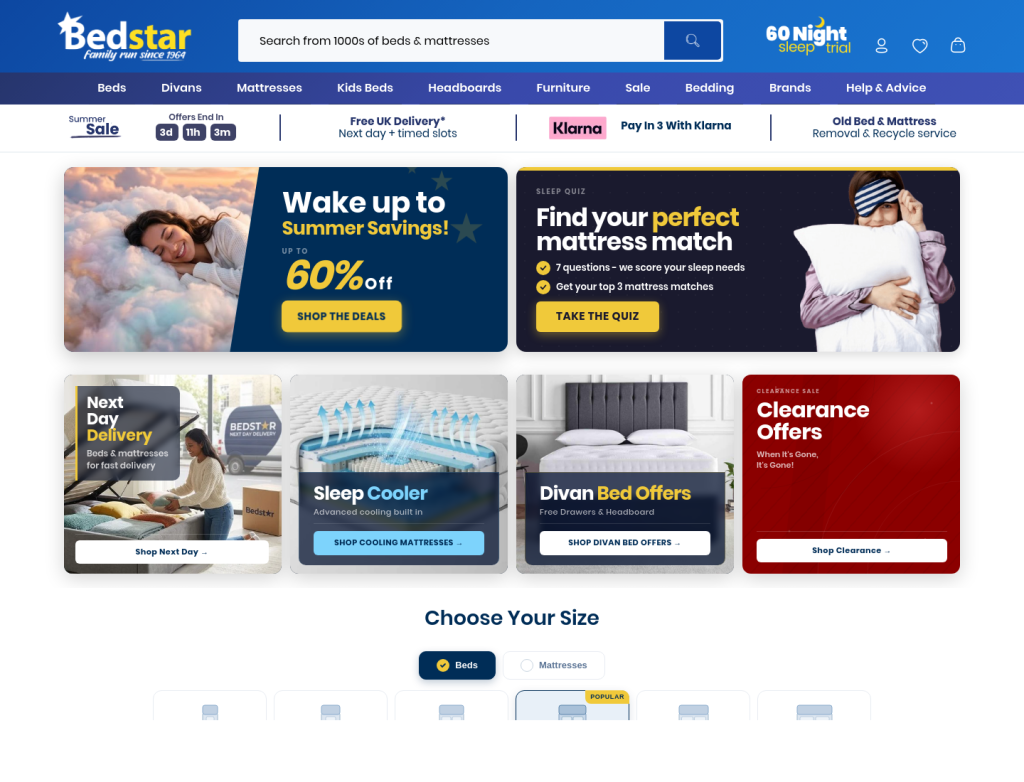
Magento 2 eCommerce optimization for a UK bed and mattress retailer focused on clearer catalog discovery, stronger delivery and finance visibility, and a faster path to checkout.
View Case Study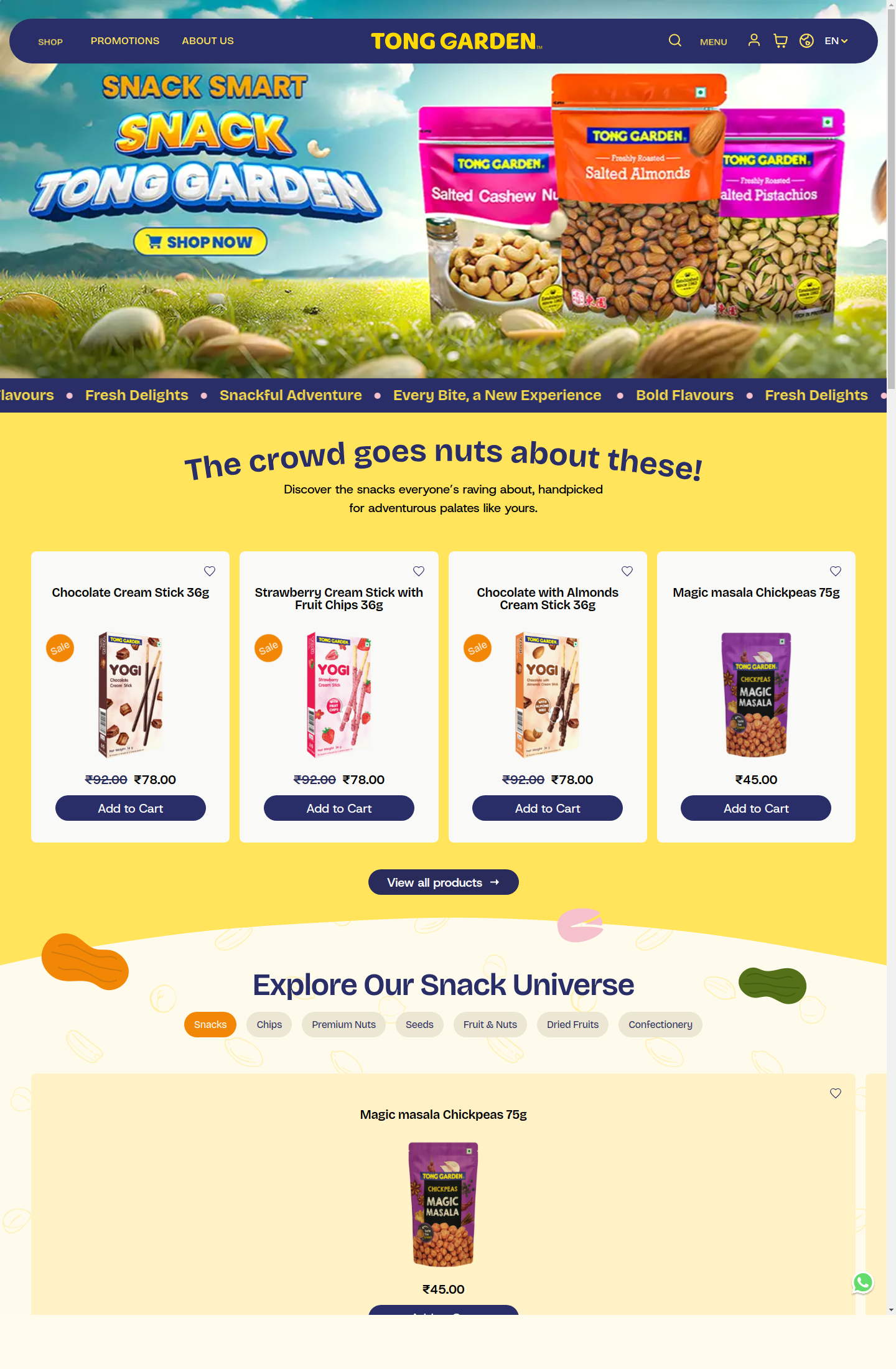
Tong Garden's storefront was replatformed from Magento to GraphCommerce in partnership with Thirteen Ideation, improving speed, reducing storefront overhead, and supporting a cleaner path to conversion.
View Case Study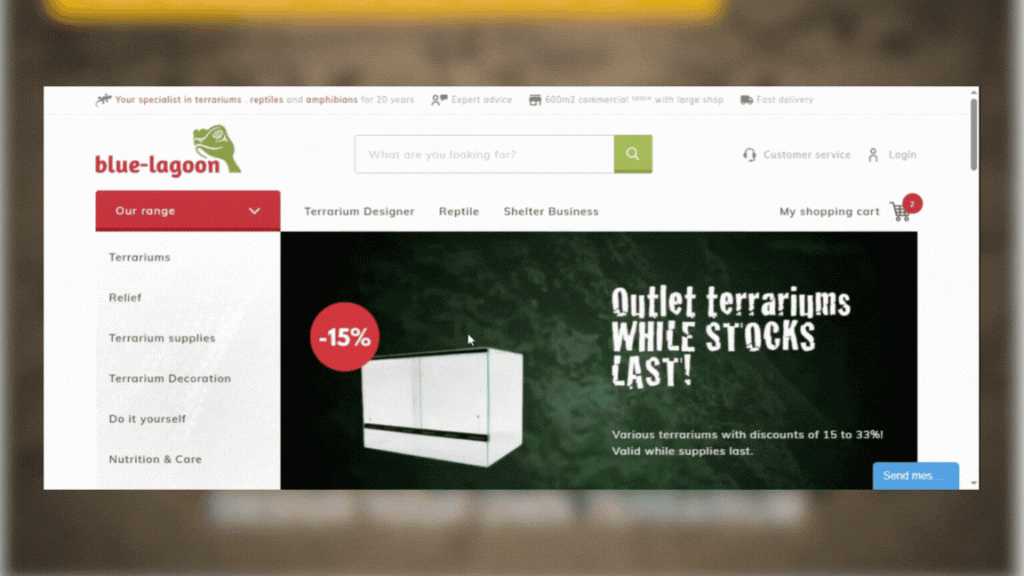
Magento eCommerce project for a Netherlands-based reptile retailer focused on catalog clarity, secure delivery, Offbiz data migration, and a smoother checkout experience.
View Case StudyLet’s talk about your platform build, omnichannel strategy, mobile app requirements, AI opportunities, integrations, or long-term support needs and shape the right commerce delivery roadmap together.